Why Your PDRN Serum Isn't Doing What You Think It Is (And What Actually Works)
PDRN is having a moment. Allure covered it. The Cut covered it. Your Instagram feed is full of salmon DNA serums, PDRN masks, and glass-skin promises. And if you've been wondering whether to spend $80 on a PDRN serum or book a treatment, this post is for you.
The short answer: the serum is not doing what the marketing says it does. Here's the science behind why — and what pharmaceutical-grade PDRN treatment actually delivers.
What Is PDRN, Really?
PDRN stands for polydeoxyribonucleotide. It is a fragment of DNA derived from salmon sperm — purified, processed, and used in regenerative medicine for decades before it became a skincare buzzword.
The clinical use of PDRN is not new or experimental. Injectable PDRN has been used in Europe and Asia for wound healing, diabetic ulcer treatment, and tissue regeneration since the early 2000s. The mechanism is well-documented: PDRN binds to adenosine A2A receptors on skin cells, which triggers collagen production and accelerates cellular repair. Think of it as flipping a switch that tells your skin cells to wake up and rebuild.
That is the version of PDRN that works. The version in your serum is a different story.
Why Topical PDRN Doesn't Penetrate Your Skin
Here is the physics problem that no PDRN serum brand wants to talk about.
For an ingredient to reach the receptors it needs to activate — the ones in the dermis, the middle layer of your skin — it has to be small enough to pass through the skin barrier. The established threshold in cosmetic science is approximately 500 daltons.
PDRN fragments are 50,000 to 100,000 daltons in size.
That is 100 to 200 times too large to penetrate. Cosmetic chemist Perry Romanowski, quoted in Allure's deep-dive on the ingredient, put it plainly: "The evidence that we have on PDRN's benefits is in cell cultures, where it can do things like turn off melanin production. That's not the same thing as saying, 'If you put this in a cream, and put that on your skin, it's going to work.'"
The molecule is simply sitting on the surface of your skin. It cannot reach the receptors it is supposed to activate.
The Stability Problem
Even if the size issue could be solved, topical PDRN faces a second problem: it is extraordinarily fragile.
Cosmetic chemist Marisal Mou describes PDRN as "wildly fragile — unstable, finicky to formulate with, and prone to oxidation." It breaks down when exposed to air. It requires specific temperature conditions to remain stable. And it needs to survive a minimum two-year shelf life sitting in your bathroom cabinet, which is not a controlled environment.
There is a real question of whether the PDRN in your serum is still active by the time you open the bottle — let alone by the time it reaches your skin.
What Pharmaceutical-Grade PDRN Treatment Actually Does
This is where the clinical story gets genuinely compelling.
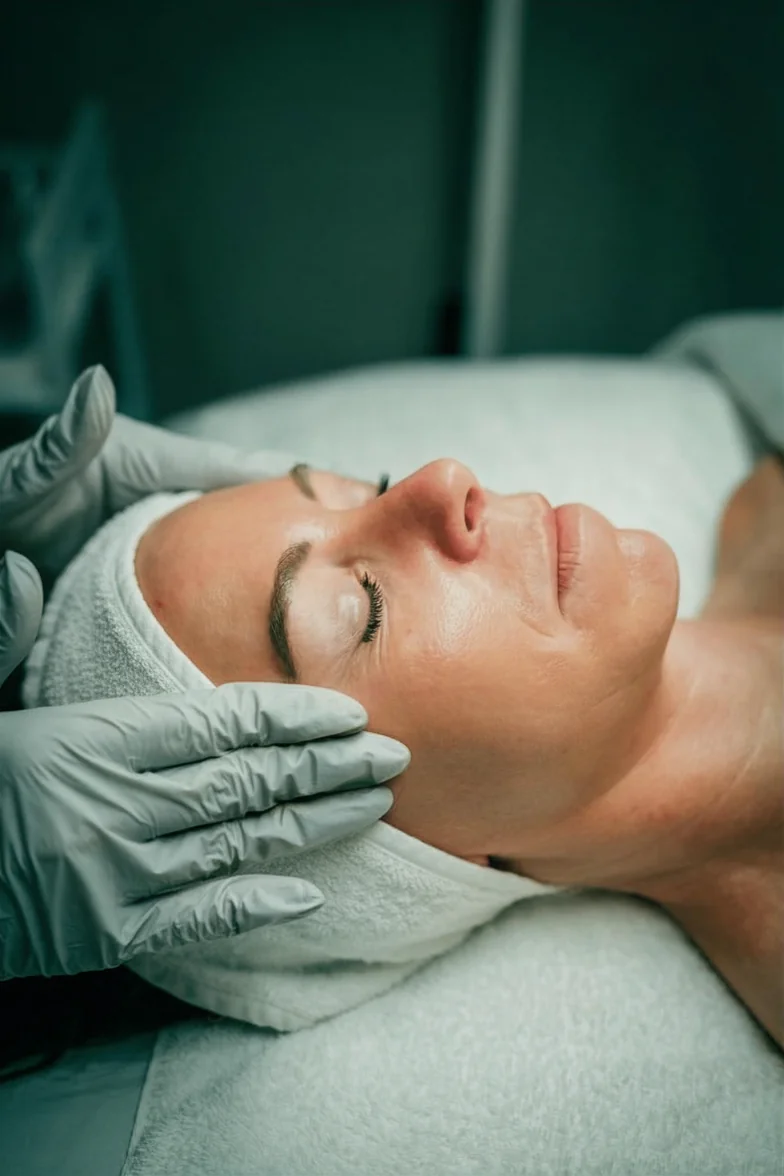
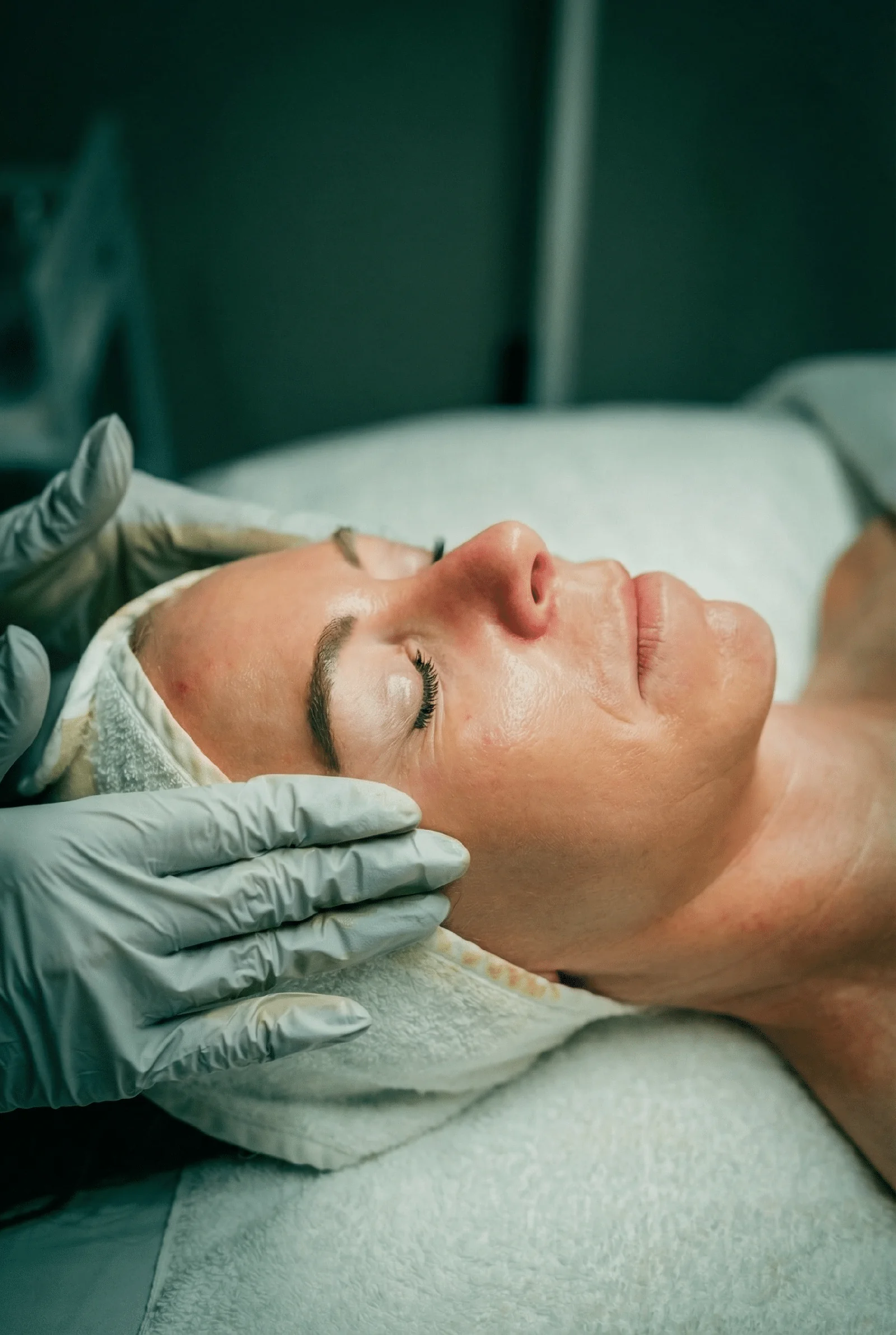
When pharmaceutical-grade PDRN is delivered directly into the skin — through mesotherapy injections or microneedling — the penetration problem disappears entirely. The ingredient is placed exactly where it needs to be: in the dermis, adjacent to the receptors it activates.
At Banyan & Bamboo, we use Toskani Lumicen — a pharmaceutical-grade PDRN formulation combined with a customized peptide skin booster cocktail. This is not a cosmetic product. It is a medical-grade biological compound, and the cocktail is tailored to your specific concerns: acne, laxity, wrinkles, scarring, brightening, or pore reduction. That same cocktail is what makes all three of our delivery methods work.
The Mermaid Facial (Mesotherapy) delivers the PDRN + peptide cocktail via mesotherapy — a manual technique using very fine, shallow needles to place the compound directly into the upper dermis. This is more precise and shallower than standard microneedling, designed specifically for active compound delivery rather than triggering a wound-healing response. The result is genuine cellular activation: collagen stimulation, improved texture, reduced inflammation, and luminosity that comes from skin functioning better — not just looking temporarily better. No downtime.
The Mermaid Lift (Microneedling + PDRN Cocktail) uses automated microneedling to create micro-channels in the skin, with the PDRN + peptide cocktail applied and driven into those channels during treatment. The microneedling amplifies the regenerative signaling of the PDRN, and the PDRN amplifies the collagen-stimulating effect of the microneedling. This combination is one of the most effective protocols available for acne scarring, texture, tone, laxity, and enlarged pores.
Targeted Injections by Your Injector take the same PDRN + peptide cocktail and deliver it at a deeper, more precise level for specific problem areas — administered by our medical injector, not an esthetician. This is the approach for concerns that need targeted, concentrated regeneration: dark or puffy under-eyes (our Light Eyes Ultra protocol), crepey neck and décolletage, deep scarring, or significant laxity in a defined zone. At this depth, the PDRN directly engages the adenosine A2A receptors linked to collagen formation and tissue repair — the same mechanism used in clinical wound-healing and regenerative medicine research.
PDRN for Hair and Scalp Regeneration
PDRN is not only a facial treatment. The same regenerative mechanism that repairs skin cells also works on the scalp — and the results for hair thinning and scalp health are clinically significant.
The scalp is skin. It has the same A2A adenosine receptors, the same fibroblasts, the same collagen and elastin infrastructure. When PDRN is delivered into the scalp via mesotherapy or microneedling, it stimulates the dermal papilla cells that govern hair follicle activity. It improves microcirculation to the follicle, reduces scalp inflammation, and creates the cellular environment that supports active hair growth.
At Banyan & Bamboo, scalp PDRN treatments use the same mesotherapy and microneedling delivery methods as our facial protocols — no injections required. The cocktail is formulated specifically for the scalp, targeting follicle stimulation and scalp health rather than facial concerns. It is appropriate for clients experiencing thinning, reduced density, postpartum hair loss, or stress-related shedding. It is also an excellent complement to our Head Spa treatments for clients who want to address scalp health at a deeper biological level.
For clients who have tried topical hair serums, scalp oils, or over-the-counter growth treatments without meaningful results, the reason is the same as with facial PDRN: the active compounds cannot penetrate the scalp barrier on their own. Professional delivery changes that equation entirely.
PDRN for Body Skin: The Ozempic Skin Answer
One of the most underserved conversations in aesthetics right now is what happens to skin after rapid weight loss — whether from GLP-1 medications like Ozempic and Wegovy, bariatric surgery, or significant lifestyle changes. The result is often skin that has lost its structural support: crepey texture on the arms, loose skin above the knees, deflated or dimpled skin on the butt and thighs, stretch marks on the abdomen and hips, and thinning skin on the neck and chest.
This is not a problem that topical products can address. It is a structural issue — collagen and elastin loss at the dermal level — and it requires treatment that reaches that level.
PDRN body treatments use a specialized cocktail formulated for body skin, which has different thickness, density, and cellular characteristics than facial skin. Delivered via mesotherapy or microneedling, the PDRN + peptide cocktail stimulates collagen and elastin production in the treated area, improves skin texture and firmness, and accelerates the skin's own repair processes.
The treatment areas we address include:
- Arms — crepey, thinning skin on the upper and lower arms
- Neck and chest (décolletage) — sun damage, crepiness, and laxity
- Abdomen — stretch marks and skin laxity after weight loss or pregnancy
- Above the knees — one of the first areas to show skin laxity with age or weight change
- Butt, hips, and thighs — stretch marks, dimpling, and skin quality changes from weight fluctuation
This is not a replacement for surgical body contouring. But for clients who want to meaningfully improve skin quality in these areas — without surgery, without significant downtime, and with results that build over a series of treatments — PDRN body therapy is one of the most effective non-surgical options available.
The Comparison That Matters
| Topical PDRN Serum | Mermaid Facial (Mesotherapy) | Mermaid Lift (Microneedling) | Targeted Injections | |
|---|---|---|---|---|
| Who delivers it | You, at home | Esthetician | Esthetician | Medical injector |
| Penetration | Cannot reach dermis | Shallow dermis (upper dermis) | Deeper dermis via micro-channels | Precise targeted depth |
| Cocktail | Cosmetic-grade, unverified | PDRN + peptide skin booster | PDRN + peptide skin booster | PDRN + peptide skin booster |
| A2A receptor activation | No | Yes | Yes | Yes |
| Downtime | None (no effect) | None | 24–48 hrs | Minimal |
| Best for | Nothing proven | Texture, luminosity, hydration, brightening | Scarring, pores, texture, laxity | Under-eye, targeted laxity, deep scarring |
Why This Matters for Regenerative Aesthetics
The regenerative aesthetics movement is built on a real premise: that the most effective treatments work with your biology, not against it. They stimulate your own cells to produce collagen, repair tissue, and restore function. PDRN, when delivered correctly, is one of the most elegant examples of this approach.
But that only holds when the ingredient actually reaches its target.
The topical PDRN market is a case study in what happens when marketing moves faster than science. The ingredient is real. The mechanism is real. The clinical evidence for injectable and treatment-delivered PDRN is real. What is not real is the idea that a serum can replicate any of that.
If you are serious about regenerative skin care — if you want results that come from your skin actually changing, not just looking temporarily better — the path is pharmaceutical-grade treatment, not a product you buy online.
What to Expect at Banyan & Bamboo
PDRN treatments at Banyan & Bamboo cover far more ground than most clients realize. From facial regeneration to scalp health to body skin restoration, the same pharmaceutical-grade PDRN + peptide cocktail — formulated specifically for the treatment area — is the foundation of all of it.
We use Toskani Lumicen exclusively: the same pharmaceutical-grade PDRN used in clinical regenerative medicine settings, not a cosmetic-grade derivative. The cocktail is customized to your concern, your skin type, and the area being treated.
A series of three to four treatments spaced four weeks apart produces the most significant results. Many clients notice improved texture and luminosity after a single session. For scalp and body treatments, results build progressively over the series as collagen remodeling accumulates.
If you have been spending money on PDRN serums, scalp oils, or topical body treatments and wondering why you are not seeing results, this is why. Book a consultation and we will walk you through the right protocol for your specific goals.
Book a Mermaid Facial Consultation Learn About the Mermaid Lift (Microneedling + PDRN) Ask About Scalp PDRN or Body PDRN at Your Consultation
Jennifer Rushing is the founder and owner of Banyan & Bamboo Day Spa + Med Spa in Austin, Texas. Banyan & Bamboo is a women-owned, award-winning practice specializing in regenerative aesthetics, clinical skincare, and therapeutic massage on South Lamar.
References:
- Allure: PDRN Has Quickly Come to Rule the Skin-Care Aisles
- The Cut: The Year We All Embraced Salmon Sperm
- Frontiers in Pharmacology: Polydeoxyribonucleotide in regenerative medicine
- Biomaterials Research: Adenosine A2A receptor activation and collagen formation