
Microneedling · Austin, TX
Medical-Grade Microneedling & Acne Scar Treatment in Austin
Medical-grade collagen induction therapy for every skin goal — from foundational texture refinement and acne scarring correction to advanced regenerative protocols with PDRN, Sculptra, and neurotoxin. Every session is customized. Includes a complimentary AI 3D Skin Analysis.
The Science
How Microneedling Works
Microneedling is a form of collagen induction therapy (CIT) that uses ultra-fine needles to create controlled micro-channels in the skin's surface. This triggers the body's natural wound-healing response — producing new collagen and elastin without damaging surrounding tissue. The result is firmer, smoother, more even-toned skin with measurable texture refinement that improves progressively over 4–6 weeks.
At Banyan & Bamboo, we use medical-grade devices with adjustable depth settings, allowing us to customize each treatment for fine lines, acne scarring, hyperpigmentation, enlarged pores, and overall skin texture — all in the same session. The "glide" we use during treatment determines the results tier: peptides for hydration and renewal, PDRN for cellular regeneration, or advanced combinations with Sculptra or neurotoxin.
Find Your Protocol
Microneedling for Acne Scarring, Pore Refinement & Texture Correction
Select your primary skin concern and we'll recommend the right protocol.
First microneedling session $350 $249 — use code MICRO100 at checkout.
Treatment Menu
Choose Your Protocol
All treatments are 30 minutes (face & neck) unless noted. Face, neck & chest option available for the Collagen Reset.
| Protocol | Price | Downtime | Best For | Intensity | |
|---|---|---|---|---|---|
Collagen Reset Face & Neck | $350 | 24–48 hrs | Texture, dullness, fine lines, first-time clients | ||
Collagen Reset Face, Neck & Chest | $399 | 24–48 hrs | Décolleté texture, neck laxity, full upper-body renewal | ||
Mermaid Facial Hydration + Glow | $299 | None | Dryness, dullness, dehydration, sensitive skin | ||
The Mermaid Lift PDRN Infusion | $574 | 12–24 hrs | Acne scarring, deep texture, hyperpigmentation | ||
Deep Rebuild Microneedling + Sculptra | $600 | 24–48 hrs | Volume loss, skin laxity, long-term structural renewal | ||
Smooth & Tighten Microneedling + Neurotoxin | $600 | 24 hrs | Enlarged pores, oily/textured skin, combination skin |
Intensity scale reflects treatment depth and recovery, not discomfort. All protocols include numbing cream.
Collagen Reset
Face & Neck
30 Min · $350
Medical-grade microneedling with a peptide-rich hydration glide. Creates controlled micro-channels to trigger your skin's natural collagen response — improving texture, tone, fine lines, and overall skin quality. Ideal for first-time microneedling clients and maintenance sessions.
- ✓Skin prep + numbing cream
- ✓Medical-grade microneedling
- ✓Peptide hydration glide
- ✓LED light therapy finish
- ✓Post-treatment recovery guidance
Best for: Texture, dullness, fine lines, overall skin renewal
Collagen Reset
Face, Neck & Chest
45 Min · $399
The same medical-grade collagen induction protocol extended to include the neck and décolleté — areas that age visibly but are often overlooked. Peptide hydration glide throughout. Ideal for clients who want comprehensive skin renewal beyond the face.
- ✓Skin prep + numbing cream
- ✓Medical-grade microneedling
- ✓Peptide hydration glide
- ✓Full décolleté coverage
- ✓LED light therapy finish
Best for: Décolleté texture, neck laxity, full upper-body renewal
The Mermaid Lift
Cellular Renewal · Face & Neck
30 Min · $574
Our most advanced regenerative microneedling protocol. Toskani PDRN (polydeoxyribonucleotide) is infused into micro-channels during treatment — accelerating cellular repair at the DNA level, dramatically increasing collagen synthesis, and reducing recovery time. This is the protocol for clients targeting acne scarring, significant texture, or hyperpigmentation.
- ✓Skin prep + numbing cream
- ✓Medical-grade microneedling
- ✓Toskani PDRN infusion
- ✓Enhanced cellular regeneration protocol
- ✓Extended LED therapy finish
Best for: Acne scarring, deep texture, hyperpigmentation, accelerated healing
Deep Rebuild
Microneedling + Sculptra · Face & Neck
30 Min · $600
Microneedling paired with Sculptra biostimulator for clients who want structural results, not just surface renewal. Sculptra stimulates your own collagen production over 3–6 months, while microneedling delivers immediate surface improvement. The combination addresses both skin quality and volume loss in a single session.
- ✓Skin prep + numbing cream
- ✓Medical-grade microneedling
- ✓Sculptra biostimulator infusion
- ✓Collagen induction + volume support
- ✓LED light therapy finish
Best for: Volume loss, skin laxity, long-term structural renewal
Smooth & Tighten
Microneedling + Neurotoxin · Face
30 Min · $600
Microneedling combined with micro-dosed neurotoxin (Botox/Dysport) for clients targeting pore size, oil control, and skin smoothness alongside collagen stimulation. The neurotoxin is delivered superficially — not for wrinkle relaxation, but for refined texture and tightened pores. A clinical combination that delivers results neither treatment achieves alone.
- ✓Skin prep + numbing cream
- ✓Medical-grade microneedling
- ✓Micro-dosed neurotoxin (Botox/Dysport)
- ✓Superficial tox for pore refinement
- ✓LED light therapy finish
Best for: Enlarged pores, oily/textured skin, combination skin renewal
In the Treatment Room
Real Treatments, Real Results
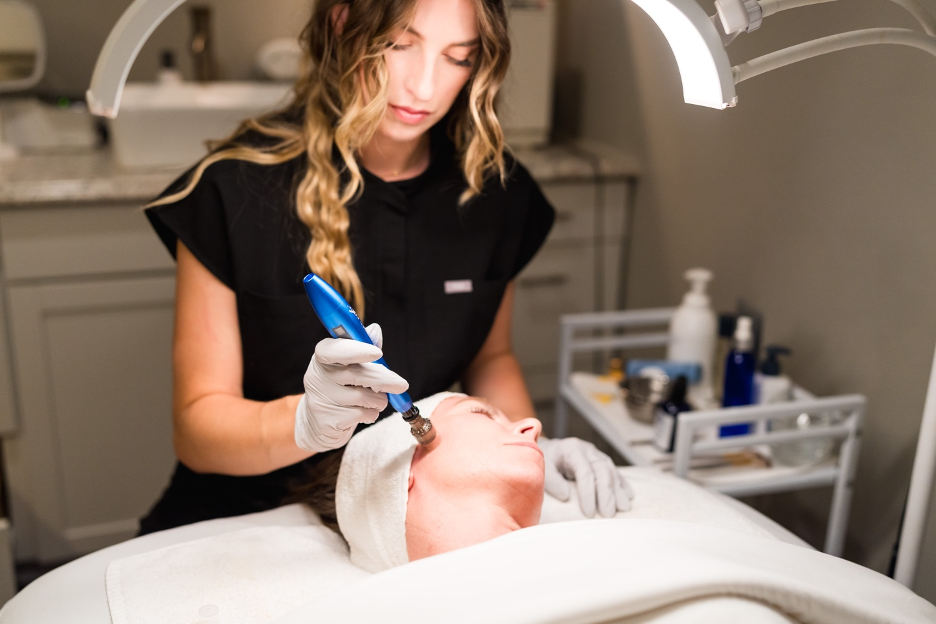
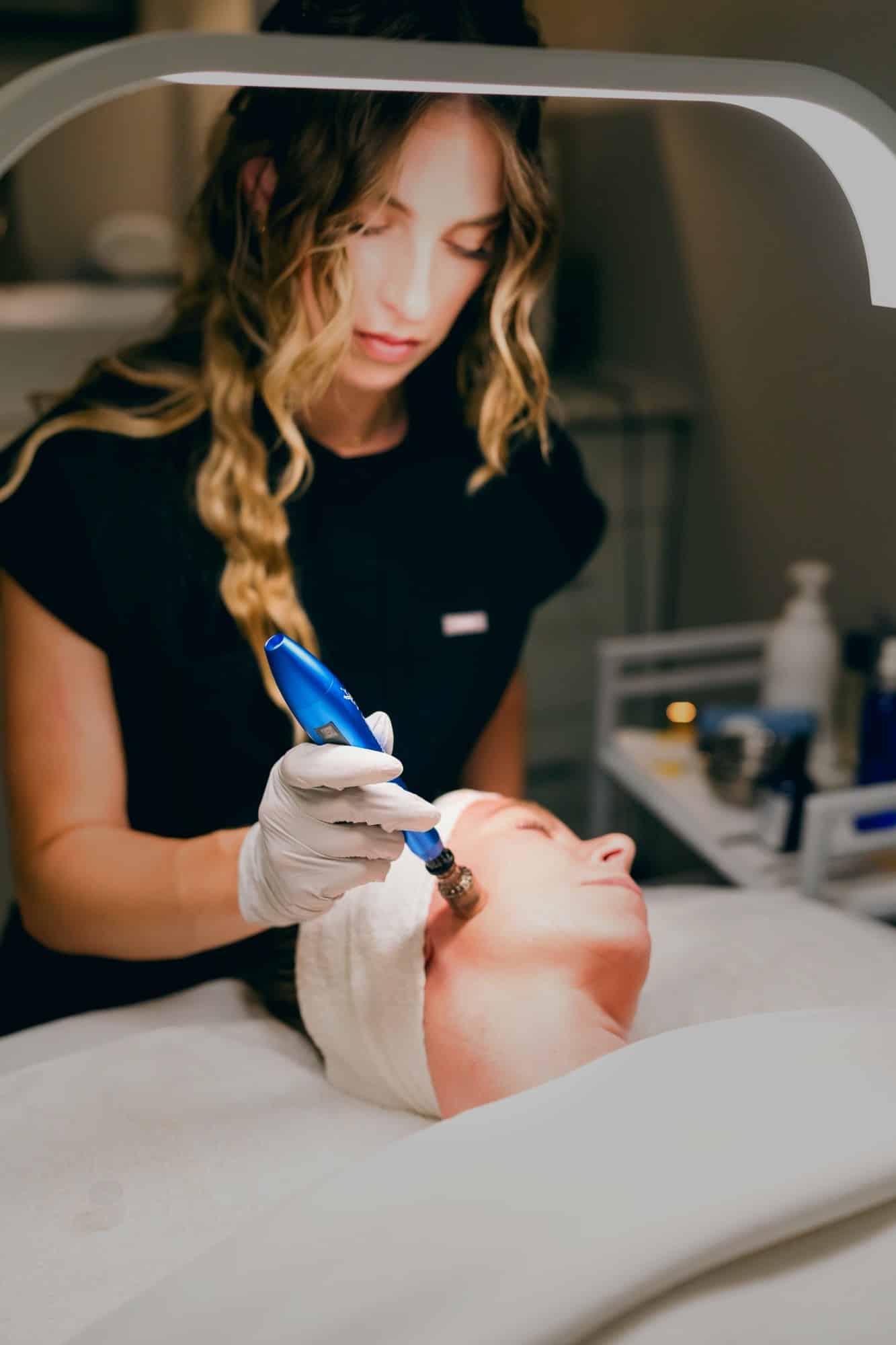
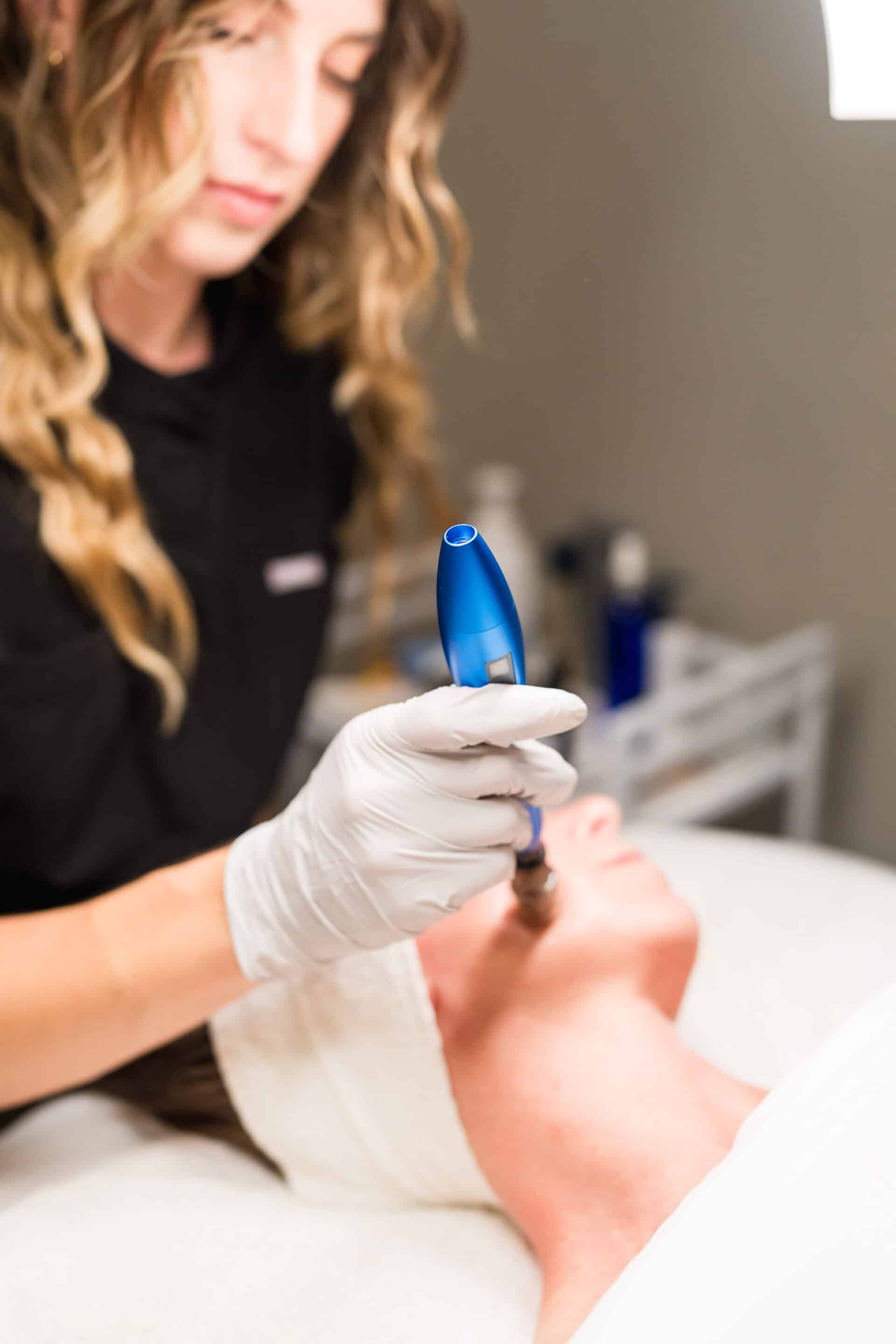
Client Results
What Clients Say
"Banyan & Bamboo offers the most transformative facial experience I've ever had. From the moment you step inside, everything feels intentional — the calming scents, the warm towels, the energy of the space. Their facials go way beyond skincare. It's restorative, rejuvenating, and grounding all at once. My skin looked instantly brighter, tighter, and smoother. The glow lasted for days, and my whole nervous system felt calmer. It's one of those rare places where you walk out feeling taken care of — inside and out. I cannot recommend them enough."
— Desiree Steele
"I called last minute on a Saturday and they were able to fit me in same day for a facial and head spa experience. It was just what I needed after a crazy work week with a lot of travel. Lindsey at the front desk was so sweet and accommodating and my facial with Sami was the best I've ever had in Austin. I will definitely be back."
— Courtney Ehrnstein
"Loved the experience with the AI 3D Skin Analyzer with Britt! She was very sweet and knowledgeable, would 100% recommend the experience."
— Adriana Hernández
Treatment Comparison
Microneedling vs Chemical Peels
Both treatments resurface and renew — but they work differently and suit different skin goals. Here is how to choose.
| Factor | Microneedling | Chemical Peels |
|---|---|---|
| How it works | Creates micro-channels to trigger collagen and elastin production | Applies acid solution to dissolve and remove damaged skin layers |
| Best for | Acne scarring, fine lines, skin laxity, enlarged pores, texture | Hyperpigmentation, sun damage, dullness, mild acne, uneven tone |
| Downtime | 24–72 hours of redness; full recovery in 3–5 days | 3–7 days of peeling depending on peel depth |
| Results timeline | Visible improvement in 2–4 weeks; peak at 3 months | Visible improvement in 7–14 days; cumulative with series |
| Sessions needed | 3–6 sessions for optimal results | 3–6 peels for significant improvement |
| Skin types | Safe for all Fitzpatrick types including darker skin | Varies by peel; some peels not suitable for darker skin tones |
| Collagen stimulation | Deep — stimulates new collagen and elastin in the dermis | Surface — accelerates cell turnover, less dermal stimulation |
| Can be combined | Yes — with PDRN, Sculptra, neurotoxin, LED | Yes — with DiamondGlow, facials, LED (not on same day) |
| Starting price at B&B | From $299 | From $175 |
Not sure which is right for your skin? Your AI 3D Skin Analysis appointment will map the exact protocol.
Acne Scarring
What Microneedling Can Do for Acne Scars
Acne scarring is one of the most common concerns we treat at Banyan & Bamboo — and microneedling is the most effective non-surgical intervention available for it.
Rolling Scars
Broad, shallow depressions with sloping edges. Microneedling breaks up the fibrous bands beneath the skin that pull the surface down, allowing the skin to re-level over a series of sessions.
Recommended Protocol
Collagen Reset or Mermaid Lift with PDRN
4–6 sessions
Boxcar Scars
Defined, box-shaped depressions with sharp edges. Microneedling stimulates collagen to fill the base of the scar from the inside out. PDRN accelerates this process significantly.
Recommended Protocol
Mermaid Lift with Toskani PDRN
4–6 sessions
Post-Inflammatory Hyperpigmentation
Dark marks left after breakouts clear. While not true scarring, PIH responds well to microneedling combined with brightening serums. The micro-channels allow targeted actives to penetrate deeper.
Recommended Protocol
Collagen Reset + DiamondGlow Even & Correct
3–4 sessions
Icepick scars (deep, narrow) are the most resistant to microneedling alone. Our team will be transparent about realistic outcomes and may recommend a combination approach.
Complete Your Protocol
Treatments That Pair Well
Mermaid Facial™
Book a Mermaid Facial the week before your microneedling appointment to prep the skin — or the week after to extend results. The two treatments are designed to work together as a complete skin-renewal protocol.
Learn MoreChemical Peels
Chemical peels and microneedling target different layers of the skin and are highly complementary when sequenced correctly. Peels address surface texture and tone; microneedling rebuilds collagen deeper in the dermis. Together they accelerate results for acne scarring, sun damage, and uneven skin tone.
Learn MoreDiamondGlow Facial
DiamondGlow is an ideal prep or recovery treatment around your microneedling series. The diamond-tip exfoliation and SkinMedica serum infusion support skin barrier health and extend the collagen-stimulating benefits of your microneedling sessions.
Learn MoreCosmetic Injectables
Many clients combine microneedling with Botox, Sculptra, or Light Eyes Ultra PDRN for a comprehensive approach to skin health and facial structure. Britt and our esthetics team coordinate treatment timing for optimal results.
Learn MoreSkin Care by Age
Microneedling is one of the highest-ROI treatments at every decade. Our age-specific guide shows you when to start, how often to go, and how to sequence it with other treatments for compounding results.
Learn MoreProtect Your Investment
What You Do at Home
Determines Your Results
Microneedling triggers a 28-day collagen cascade. The right home care during that window amplifies results by 30–40%. The wrong products — fragrance, harsh actives, barrier disruptors — can stall healing and reduce ROI on your investment.
Britt prescribes a personalized SkinBetter Science® protocol for every microneedling client — sequenced to your treatment phase (prep, active healing, maintenance) and your specific skin concerns.
Shop SkinBetter Science®Retinoid
AlphaRet Overnight Cream
Primes collagen synthesis and thickens the dermis before your session — so microneedling works on a stronger foundation. Britt’s #1 anti-aging prescription.
Anti-Aging · Texture · FirmnessExfoliation
Clarifying AlphaRet Peel Pads
At-home exfoliation pads that reduce congestion, fade post-acne marks, and refine pores. Pairs with microneedling to accelerate scar remodeling and maintain clarity.
Acne · Pores · Scarring · AgingDefense & Repair
Alto Advanced Defense & Repair Serum
Antioxidant-rich serum that neutralizes free radical damage and repairs environmental stress daily. The essential layer between your retinoid and SPF — especially critical during the post-microneedling healing window.
All Skin Types · Environmental DefenseHealing & Recovery
Interfuse Treatment Cream — Face
Peptide-rich formula supports barrier recovery and accelerates the collagen response during the critical first week post-treatment.
Recovery · Hydration · Barrier RepairHydration & Contouring
Ampra™ HA Collagen Building Serum
Uses the same pharmaceutical-grade hyaluronic acid found in dermal fillers to plump, firm, and rebuild collagen topically. The ideal between-visit companion for clients combining microneedling with Sculptra or fillers.
Volume · Laxity · Filler PatientsProtection
Sunbetter TONE SMART SPF 75
Award-winning 100% mineral SPF 75 with a skin-tone-adaptive finish. UV exposure post-microneedling is the fastest way to undo results — this is Britt’s non-negotiable for every client.
Sun Protection · Post-ProcedureFAQ
Common Questions About Microneedling
Finance your microneedling series with PatientFi — split your 3-session protocol into easy monthly payments.
Ready to Begin?
Book Your Microneedling Treatment
Not sure which protocol is right for you? Complimentary skin consultation included with every first appointment. Call 512-890-1130 or book online.