
NEW CLIENT OFFER · $99 DERMAPLANE FACIAL + $100 SPA CREDIT · LIMITED AVAILABILITY
The Smoothest Skin
of Your Life.
For $99.
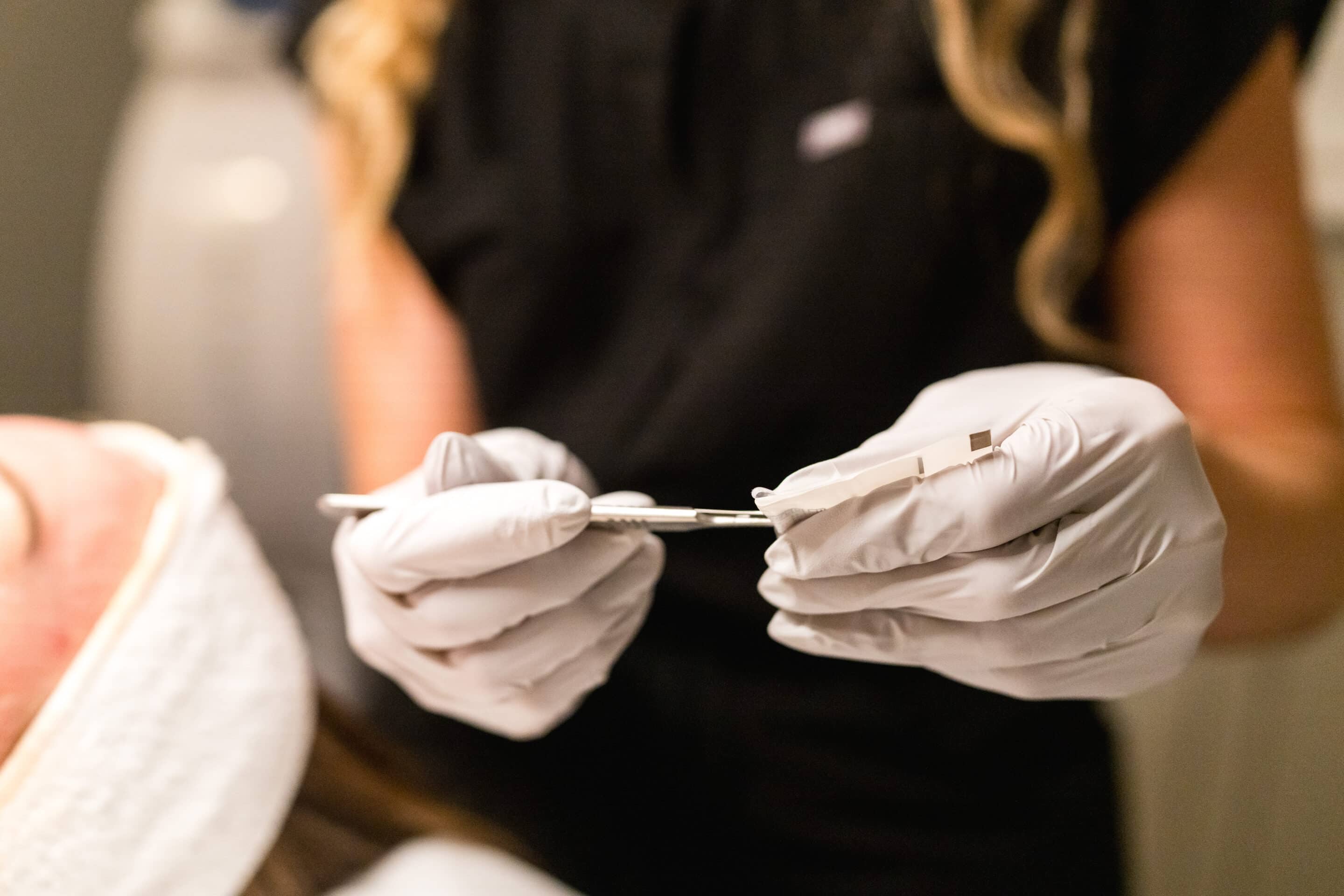
Our Dermaplane Facial removes dead skin and peach fuzz in one session — leaving skin immediately smoother, brighter, and ready to absorb everything you put on it. No downtime. Results you'll see the same day.
New Client Offer
$99
Dermaplane Facial
+
$100
Spa credit on your next visit
$100 credit valid toward any service over $250 · New clients only · Valid 28 days · Not stackable
What's Included
A Complete Facial.
Not a Shortcut.
The $99 intro offer is the full treatment — skin analysis, cleanse, dermaplaning, mask, and finishing serums — performed by a licensed esthetician who takes the time to understand your skin. Not a stripped-down version.
Skin consultation + analysis
Double cleanse
Dermaplaning (removes dead skin + peach fuzz)
Customized treatment mask
Finishing serums + SPF
$100 spa credit toward your next visit (over $250)
$99
New Clients
Your $100 Spa Credit
This Is How We Turn a First Visit Into a Relationship.
After your Dermaplane Facial, you'll receive a $100 spa credit to use on any service priced at $250 or more. Think DiamondGlow, a Banyan Signature Facial, injectables, or a massage package. It's our way of making your second visit as easy to say yes to as your first. Valid for 28 days. New clients only.
What to Expect
Real Results. Same Day.
Immediately After
Noticeably smoother skin texture
Brighter, more even tone
Peach fuzz removed
No redness or downtime
Days 1–7
Makeup applies more evenly
Skincare absorbs deeper
Skin looks more luminous
Pores appear refined
With Monthly Treatments
Cumulative texture improvement
Consistent brightness
Better product efficacy
Slower visible aging
Client Reviews
Hear It From Our Clients
"Sami is incredible. My skin looked completely different walking out — smoother, brighter, and my makeup the next day was flawless. I've been going monthly ever since."
Amanda R.
Google Review
"I was skeptical about dermaplaning but decided to try the intro offer. Best decision. Zero discomfort, immediate results, and the team was so knowledgeable. Already booked my next appointment."
Kristin P.
Google Review
"The space is beautiful, the service is exceptional, and my skin has never looked better. Banyan & Bamboo is the only place I trust for my facials in Austin."
Michelle D.
Google Review
Questions
Everything You Need to Know
What exactly is a Dermaplane facial?
Does it hurt? Will my hair grow back thicker?
Who is this treatment for?
How long does the result last?
What's included in the $99 intro facial?
How does the $100 spa credit work?
Limited Availability
$99 Dermaplane Facial
+ $100 Spa Credit.
New clients only. Same-week appointments available. Book online in under 2 minutes.
New clients only · $100 credit valid 28 days · One per client · Not stackable with other offers