Persistent dark spots and uneven skin tone are common concerns that many individuals face, particularly in a sunny climate like Austin, TX. While often grouped under the umbrella of "hyperpigmentation," understanding the distinct characteristics of conditions like hyperpigmentation and melasma is crucial for effective treatment. At Banyan & Bamboo, we approach these concerns with a clinician's precision, ensuring that every treatment plan is tailored to the specific nature of your skin discoloration.
Understanding Hyperpigmentation vs. Melasma
At first glance, hyperpigmentation and melasma may appear similar, both manifesting as darkened patches on the skin. However, their underlying causes and optimal treatment strategies differ significantly. Treating melasma with methods suitable for general hyperpigmentation can often exacerbate the condition, making accurate diagnosis the foundational step in achieving clear, even-toned skin.
Hyperpigmentation is a broad term referring to any darkening of the skin, typically caused by an excess production of melanin. This can result from various factors, including:
- Post-Inflammatory Hyperpigmentation (PIH): Dark spots that appear after skin inflammation or injury, such as acne breakouts, eczema, or minor cuts. The skin's natural healing process can sometimes lead to an overproduction of melanin in the affected area.
- Sun Spots (Solar Lentigines): These are common, small, darkened areas on the skin, often appearing on sun-exposed areas like the face, hands, and décolletage. They are a direct result of prolonged sun exposure and UV damage.
- Freckles (Ephelides): Genetically determined spots that darken with sun exposure.
Melasma, often referred to as the "mask of pregnancy," is a more complex form of hyperpigmentation characterized by symmetrical, blotchy, brownish or grayish-brown patches. It commonly appears on the face, particularly on the cheeks, bridge of the nose, forehead, chin, and upper lip. Unlike general hyperpigmentation, melasma is primarily triggered by:
- Hormonal Fluctuations: Pregnancy, oral contraceptives, and hormone replacement therapy are significant contributors. The interplay of estrogen and progesterone can stimulate melanin production.
- Sun Exposure: UV radiation is a major aggravating factor, intensifying existing melasma and triggering new outbreaks. Even minimal sun exposure can worsen the condition.
- Heat: Infrared radiation (heat) can also contribute to melasma, making sun protection even more critical.
- Genetics: A predisposition to melasma can be inherited.
The critical distinction lies in melasma's deeper dermal component and its sensitivity to heat and hormones. This means that aggressive treatments or those that generate excessive heat can paradoxically worsen melasma, leading to a frustrating cycle of temporary improvement followed by rebound pigmentation.
The Treatment Hierarchy: A Strategic Approach
At Banyan & Bamboo, our approach to treating hyperpigmentation and melasma is structured and strategic, prioritizing efficacy and long-term results. We emphasize a hierarchy of treatments, beginning with precise diagnostics and progressing to targeted interventions and meticulous maintenance.
-
AI Skin Analysis: The Foundational Step
Before any treatment begins, we utilize advanced AI-powered skin analysis technology. This sophisticated system, powered by Perfect Corp technology, provides an unparalleled deep dive into your skin's condition. It meticulously maps UV damage, pigmentation patterns, and other underlying concerns that are invisible to the naked eye. This data-driven approach allows our clinicians to:
- Accurately Differentiate: Distinguish between various types of hyperpigmentation and melasma, identifying the depth and severity of the discoloration.
- Identify Triggers: Pinpoint potential contributing factors and areas of concern.
- Personalize Treatment: Develop a truly bespoke treatment plan that addresses your unique skin needs, avoiding generic approaches that can be ineffective or even detrimental.
This initial analysis is paramount, especially for melasma, as it guides us away from treatments that could cause inflammation and subsequent worsening of the condition. By understanding the precise nature of your pigmentation, we can select the most appropriate and gentle yet effective therapies.
-
Targeted Peels and Regenerative Therapies
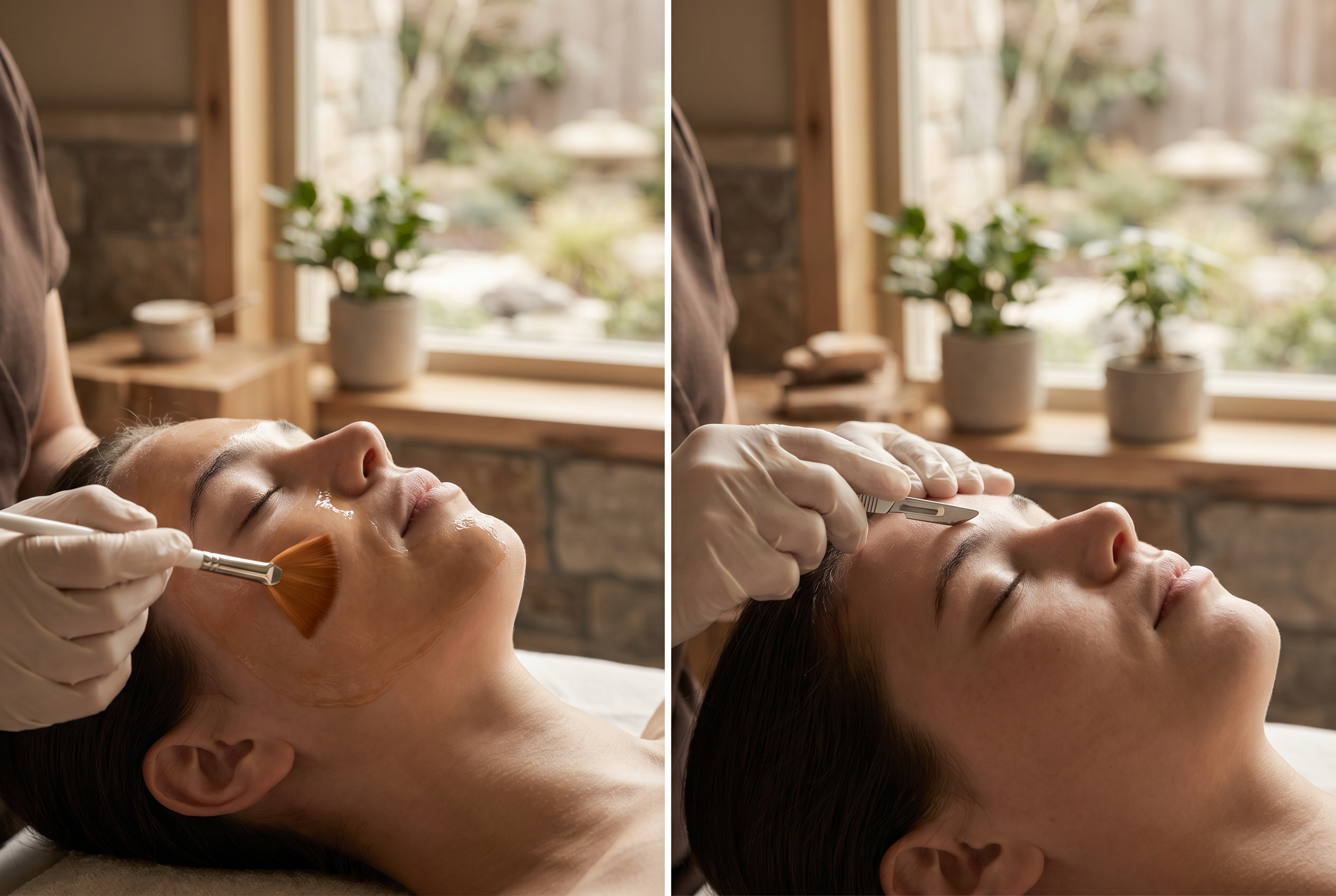
Once the AI skin analysis provides a clear roadmap, we proceed with targeted treatments. For many forms of hyperpigmentation, and carefully selected cases of melasma, chemical peels can be highly effective. Our range of professional-grade Chemical Peels are chosen based on their specific active ingredients and depth of penetration, designed to gently exfoliate the superficial layers of the skin and reduce melanin accumulation. We prioritize peels that minimize inflammation and are suitable for sensitive skin types prone to pigmentation.
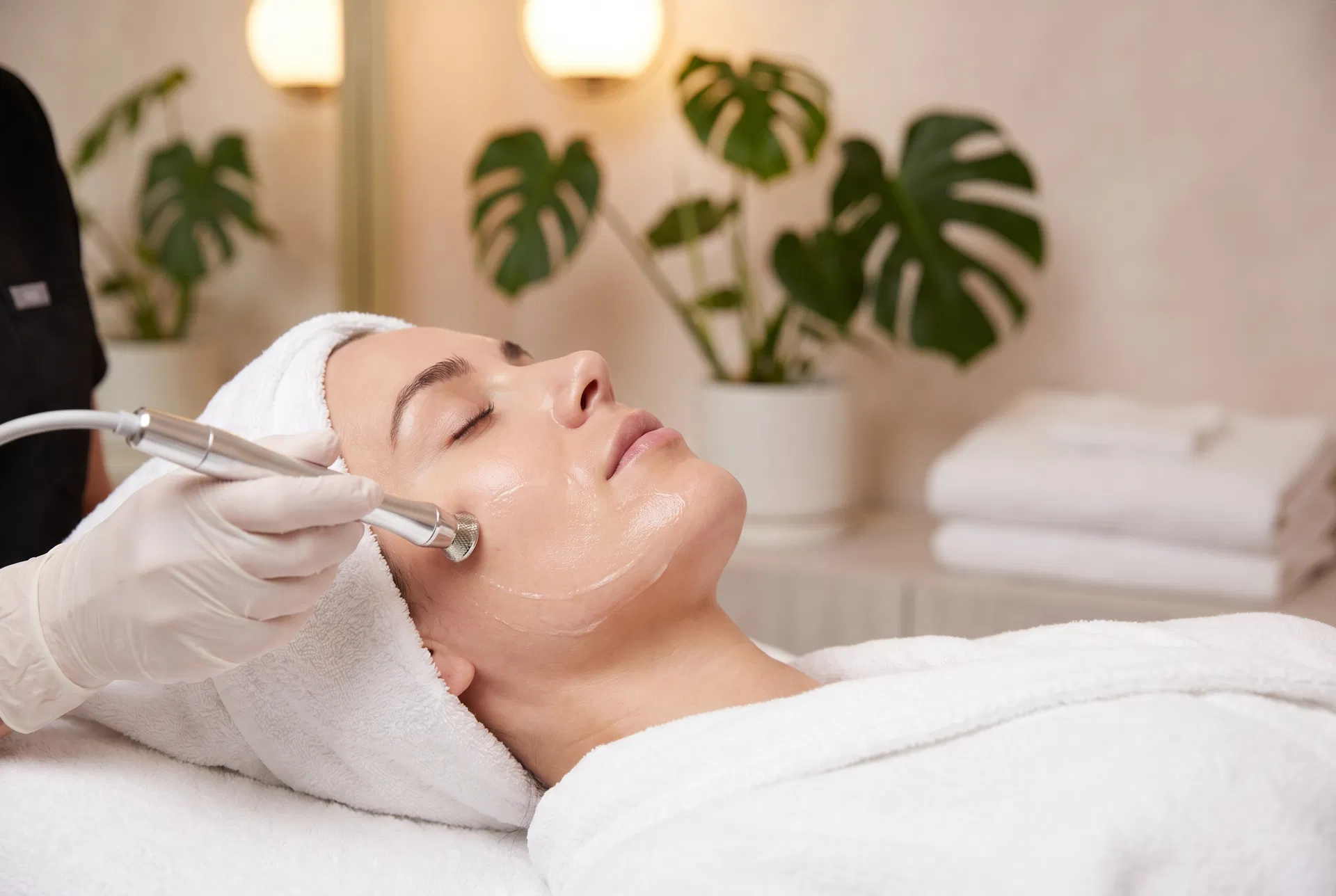
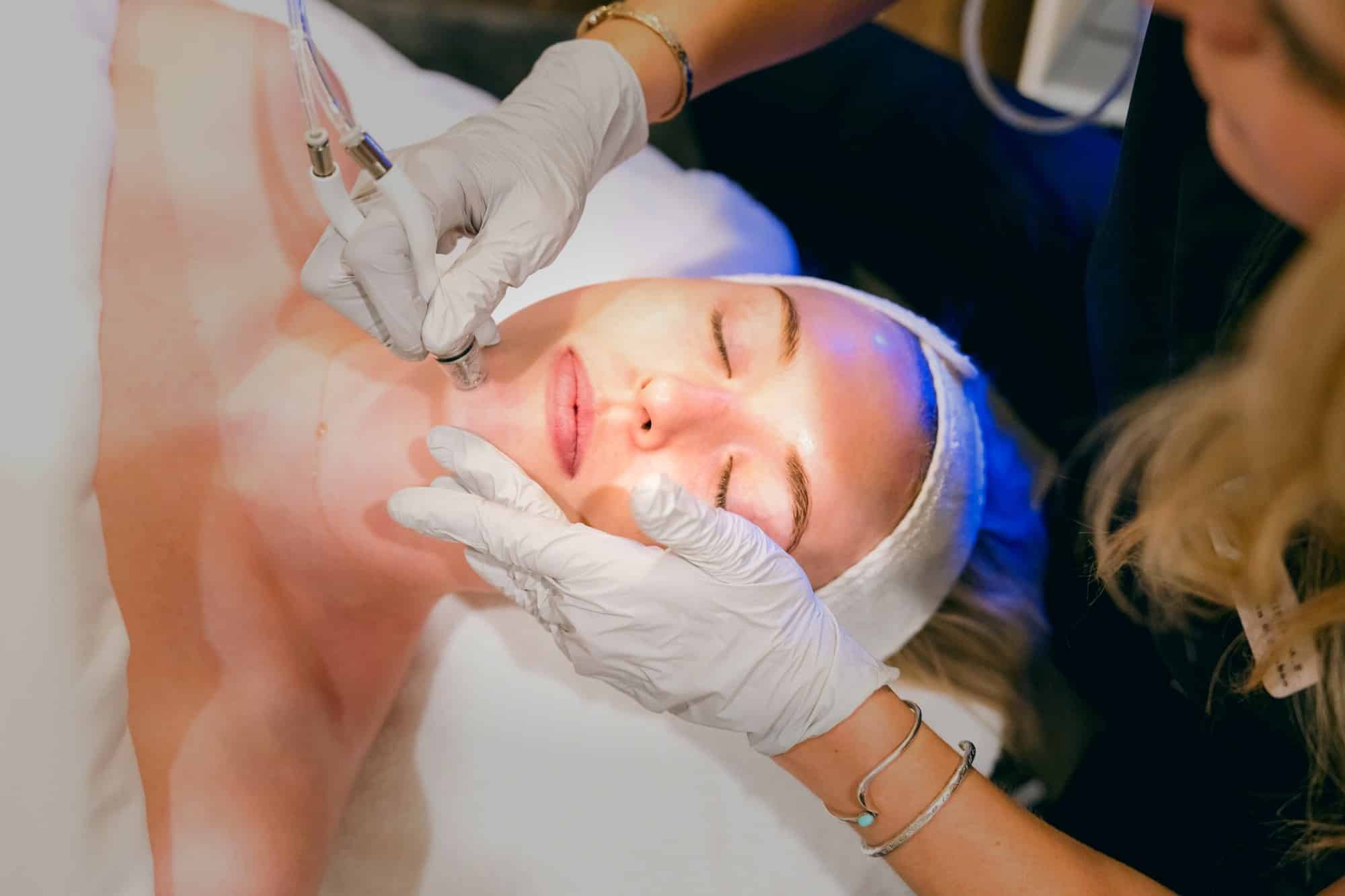
For deeper pigmentation or those seeking comprehensive skin rejuvenation, regenerative collagen treatments like Microneedling can be integrated into the treatment plan. Microneedling stimulates the skin's natural healing process, encouraging cellular turnover and the production of fresh, unpigmented skin cells. When combined with specialized serums, it can significantly improve skin tone and texture.
-
Maintenance and Prevention: Sustaining Your Results
Achieving clear skin is only half the journey; maintaining those results and preventing recurrence is equally vital. Our maintenance protocols focus on consistent at-home care and periodic in-clinic treatments. This includes:
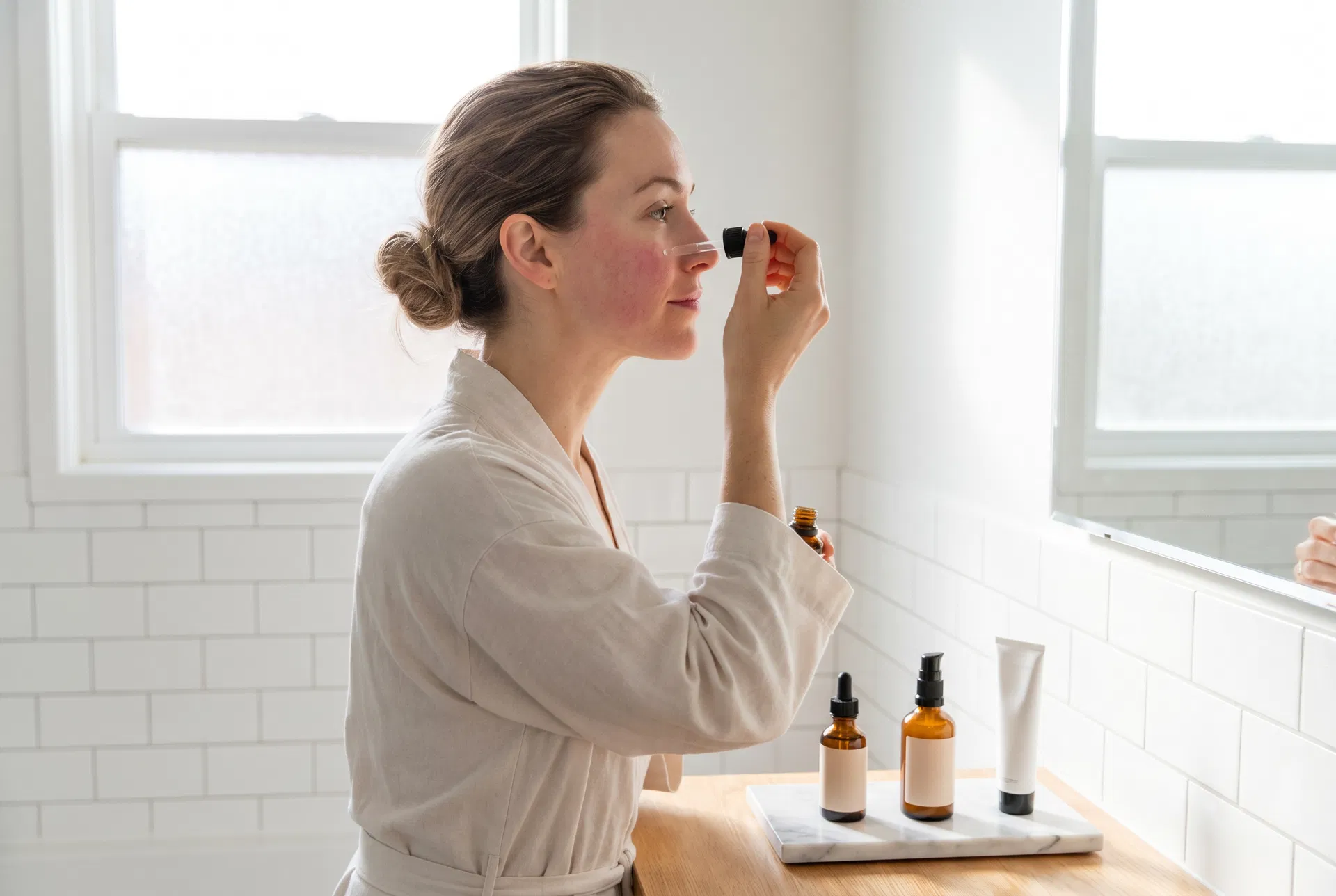
- Medical-Grade Skincare: Prescription-strength retinoids, antioxidants, and pigment-inhibiting agents are essential for suppressing melanin production and protecting the skin.
- Strict Sun Protection: Daily use of broad-spectrum sunscreen with an SPF of 30 or higher, along with protective clothing and shade-seeking, is non-negotiable. This is especially critical for melasma, where even incidental sun exposure can trigger a relapse.
- Lifestyle Adjustments: Identifying and managing hormonal triggers, where possible, can also play a role in long-term control.
Realistic Expectations for Results
It is important to approach hyperpigmentation and melasma treatment with realistic expectations. These conditions, particularly melasma, are often chronic and require ongoing management rather than a one-time "cure." While significant improvement in skin clarity and evenness is achievable, complete eradication may not always be possible, and diligent maintenance is key to preventing recurrence.
Our commitment at Banyan & Bamboo is to provide you with honest, transparent guidance and a treatment journey that prioritizes your skin's health and long-term radiance. We believe in empowering our clients with knowledge and effective tools to manage their skin concerns confidently.
Ready to address your hyperpigmentation or melasma with a precise, data-driven approach? Take the first step towards clearer, more radiant skin. Book an AI skin analysis consultation today to uncover the true nature of your skin concerns and receive a personalized treatment plan designed just for you. Visit us at https://www.banyanandbamboo.com/ai-skin-analysis-austin/ to schedule your appointment.